Things to Do in Apia
Where the South Pacific still smells like fresh taro and yesterday's rain.
Top Things to Do in Apia
Find activities and tours you'll actually want to do. Book through our partners -- no booking fees.


Plan Your Trip
Essential guides for timing and budgeting
Climate Guide
Best times to visit based on weather and events
View guide →Day Trips
The best excursions and nearby destinations worth the journey
Explore day trips →Where to Stay
Best neighbourhoods, hotel picks, and booking tips
Find hotels →Travel Insurance
What's required, what coverage matters, and how to get a quote
Read guide →What to Pack
Climate-specific gear, essentials, and what to leave at home
See packing list →When Should You Visit Apia?
Tap a month for weather, crowds, and highlights
View full year-round climate guide →Your Guide to Apia
About Apia
Apia greets dawn with kettle hiss from fale kitchens and wet laundry slapping tin roofs along Beach Road. Sunrise clears Mount Vaea where Robert Louis Stevenson lies under a tomb you can reach in 45 sweat-slick minutes. Harbor already stinks of diesel and yesterday's catch. Downtown spans three streets: produce market where two tala (seventy cents) buys a pyramid of breadfruit, Fugalei Market where fishmongers shout reef species you've never heard of, Aggie Grey's Hotel where ceiling fans drift to reggae from taxi radios.
No Old Town remains. The 2009 tsunami erased it. What stands is low-rise painted concrete peeling in salt air, broken by sudden bougainvillea and Mormon temples that gleam like misplaced icebergs. Buses painted every Fanta color charge one tala to anywhere. You'll get soaked waiting. But the driver may hand you a mango and ask which island you're from.
Apia is not postcard-perfect; it's humid, power cuts happen, and the beach three minutes from town works more than it wows. Yet it's the only Pacific capital where the prime minister might dish palusami at his roadside barbecue and coconut arrives so fresh it still holds morning coolness. That seals the deal.
Travel Tips
Transportation: Blue-and-yellow aiga buses cost one tala (thirty-five cents) flat. Wave anywhere along the main drag. Knock on the roof to jump off. They stop at six sharp. After that, taxis from the market to most hotels quote five tala but will take three if you walk fifty metres past the rank and hail an empty one. Download the Polynesian Airlines app before arrival. Inter-island flights double the week before Christmas.
Money: ANZ and BSP ATMs spit crisp Samoan tala. Airport machines add a sneaky four-dollar fee. Carry small bills. Markets break a twenty reluctantly. Bus drivers never have change. Credit cards work at resorts and the big supermarket in Fugalei. The roadside barbecue charging twelve tala for a whole snapper is cash only.
Cultural Respect: Sundays belong to church. Harmonies spill onto Beach Road at 6 AM and again at 4 PM. Pack a lavalava in your day bag. Slip it over shorts when you enter villages. Doubles as a towel at the sliding rocks. Refusing kava is fine. Refusing food is not. Eat first, ask later.
Food Safety: Trust the stall with the longest queue of locals. If aunties wait, the oka (raw fish in lime and coconut) is safe and probably caught that morning. Peel your own pineapple from boys on scooters selling them for two tala. Ice is factory-made now. Skip drinks with chipped block ice floating like small bergs.
When to Visit
Dry season runs May to October. Temperatures hover at 28 °C (82 °F). Rainfall drops to a civilised 80 mm a month. Hoteliers quit looking smug about availability. July brings the Teuila Festival: fire-knife dancing on Mulinuu Peninsula, drumming that rattles your ribs, guesthouse rates climb 30 %. November turns up the steam: 31 °C (88 °F) and sudden afternoon downpours of biblical volume.
Beachfront fale drop to half price. You'll have the sliding rocks to yourself. Pack reef shoes. Runoff makes paths slick as soap. December through March is cyclone roulette. Humidity thick enough to chew. Inter-island ferries cancel at short notice. Mango season means three for a tala roadside. April and November are sweet spots.
Warm enough for pre-breakfast swims. Cool enough to hike Mount Vaea without melting. Flights from Auckland fall to around 450 USD return (versus 700 USD in July). Families should aim for late August. Waterfalls still roar. Kids are back in school elsewhere. Aggie's pool stays bathwater warm.
Frequently Asked Questions
How Many Days Do I Need to Explore Apia?
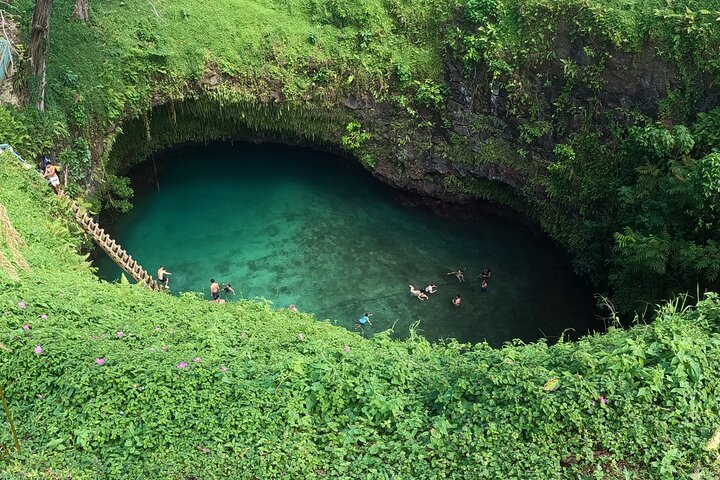
Two to three days covers Apia's main sights comfortably, the Robert Louis Stevenson Museum, Maketi Fou market, and central waterfront, with time for a day trip to nearby Papase'ea Sliding Rocks or Piula Cave Pool. If you're using Apia as a base for wider Upolu exploration (Lalomanu Beach, To Sua Ocean Trench), plan four to five days total.
What's the Best Way to Get Around Apia?
Most of central Apia is walkable, Beach Road to the market is about 1.5 km, but taxis and colorful local buses handle longer trips. Taxis don't use meters. Agree on fares beforehand (around WST 10, 20 for short rides). Rental cars (from WST 100/day) make sense if you're exploring beyond town, though driving is on the left and roads can be narrow.
When Is the Best Time to Visit Apia Weather-wise?
May through October is the dry season, with less humidity and minimal rain, good for hiking and beach trips. November to April brings cyclone season and afternoon downpours, though mornings are often clear. Temperatures stay warm year-round (24, 30°C), so pack for tropical heat regardless of when you visit.
Is Apia Safe for Solo Travelers?
Apia is generally safe, with low violent crime, though petty theft can happen near the market and waterfront after dark. Solo travelers should avoid walking alone late at night and keep valuables secure. Samoans are famously welcoming, and you'll likely receive more curious smiles than unwanted attention.
How Much Cash Should I Carry in Apia?
Many shops, hotels, and restaurants in central Apia accept cards. But Maketi Fou market, local buses, and village stalls are cash-only. ATMs are available along Beach Road and near the ANZ and Samoa Commercial Bank branches. Carry small bills (WST 5, 10, 20) for taxis and snacks, larger notes can be hard to break at market stalls.
What Should I Wear When Visiting Villages or Churches in Apia?
Knees and shoulders must be covered when entering villages or attending Sunday church services, sarongs or long skirts for women, long pants or a lavalava (wraparound cloth) for men. Swimwear is fine at beaches and resorts but never appropriate in town. Most locals dress modestly, and following suit shows respect.
Where's the Best Place to Buy Fresh Local Food in Apia?
Maketi Fou, the central market on Fugalei Street, is the heart of Apia's food scene, arrive early (6, 8 a.m.) for the best selection of papayas, coconuts, taro, and freshly caught fish. Saturday mornings are busiest and liveliest. For cooked meals, the market's upstairs food stalls serve oka (raw fish salad), palusami (taro leaves in coconut cream), and other Samoan staples for WST 10, 20.
Can I Swim at Beaches Near Apia Town?
Apia's town waterfront isn't good for swimming due to port activity and murky water. Head 10 km east to Palolo Deep Marine Reserve for calm snorkeling, or 40 minutes southeast to Lalomanu Beach for white sand and clear lagoons. Most locals swim at these coastal spots rather than in town.
Do I Need to Tip in Apia?
Tipping isn't customary in Samoa, service is generally included, and locals don't expect tips at restaurants, taxis, or hotels. If you receive exceptional service, a small gesture (rounding up the bill or leaving WST 5, 10) is appreciated but not required. Focus instead on polite greetings and showing respect for local customs.
What's the Sunday Experience Like in Apia?
Sundays in Samoa are religious and quiet, most shops, restaurants, and tour operators close, and swimming or loud activities are discouraged until after 1 p.m. Church services (often with beautiful hymns sung in Samoan) welcome respectful visitors if you're dressed modestly. Plan ahead by stocking up on food Saturday, or book a hotel with Sunday dining.
How Far Is Apia from the Airport, and What's the Transfer Cost?
Faleolo International Airport sits about 40 km west of Apia, roughly a 45-minute drive along the coastal road. Taxis charge WST 80, 100 for the trip. Shared shuttles arranged by hotels cost around WST 40, 50 per person. Some resorts include airport transfers, confirm when booking.
Where Can I Learn About Samoan Culture and History in Apia?
Start at the Robert Louis Stevenson Museum, the author's former estate on a hillside above town, which blends colonial history with Samoan storytelling. The Museum of Samoa on Beach Road offers small but informative exhibits on traditional navigation, tapa cloth, and pre-contact culture. For living culture, visit during the Teuila Festival (September), when Apia fills with dance competitions, fire knife performances, and long-boat races.
More Ways to Experience Apia
Tours, day trips, and local experiences curated by on-the-ground operators.
Didn't see anything interesting yet?
Browse Viator's full catalog of tours, day trips, food experiences, and private guides in Apia.
See All Apia Tours on Viator